
Roof Inspections & Maintenance
Protect Roof Inspections and Maintenance in Phoenix, AZ
The cheapest roof repair is the one you never had to make. Most major roof problems start small: a cracked tile, a dried-out seal, a slipped piece of flashing. Small problems are easy and affordable to fix when you catch them early. Day One Roofing provides professional roof inspections and maintenance across Gilbert, Mesa, Chandler, Queen Creek, and the East Valley to help homeowners protect what's probably the most expensive part of their home.
We give you honest assessments, clear photos, and straightforward recommendations. If your roof is in great shape, we'll tell you. If something needs attention, we'll show you exactly what and why.
Free Inspections • Licensed Arizona Contractors • Honest Assessments

Why Regular Roof Inspections Matter in Arizona
Arizona is one of the harshest roofing climates in the country. Between 115-degree summer heat, intense year-round UV exposure, sudden monsoon storms, blowing dust, and the occasional hail event, your roof takes more abuse here than it would in almost any other state.
What this means in practice:
Sealants and flashings dry out faster. Black tar and silicone around vent pipes typically last 5 to 10 years in Arizona, compared to 15 to 20 years in milder climates.
Underlayment degrades sooner. The waterproof layer under your tile or shingles loses its integrity faster under Arizona heat.
Small problems hide. A cracked tile doesn't leak right away; the underlayment underneath holds the line for a while. By the time you see water inside the home, the damage has often been growing for months.
Monsoon damage isn't always visible from the ground. High winds can lift tile and flashing in ways you'd never spot from the driveway.
A 20-minute professional inspection catches all of this before it costs you a ceiling repair.
What Our Roof Inspection Includes
Every Day One Roofing inspection covers the same comprehensive checklist, whether you called us because you're worried about a specific issue or just want a baseline assessment of your roof's condition.
Exterior Roof Surface Inspection
- Tile condition: cracks, slippage, breakage, missing pieces
- Shingle condition: granule loss, curling, lifting, missing shingles
- Surface contamination: debris buildup, vegetation, staining
- Sun damage indicators: brittleness, fading, glazing
- Mortar and wash inspection at ridge caps and rakes
Penetration and Flashing Inspection
- Vent pipe flashings and seals
- Chimney flashing and counterflashing
- Skylight curbs and seals
- HVAC and swamp cooler penetrations
- Satellite dish and solar attachment points
- Sealant condition around every penetration
Drainage and Water Management
- Valley condition and debris accumulation
- Gutter attachment and slope
- Scupper and drain inspection (on flat roof sections)
- Drip edge and fascia condition
- Evidence of standing water or improper drainage
Underlayment and Structural Indicators
- Visible underlayment condition where accessible
- Signs of underlayment failure (granules collecting in valleys, water staining beneath tile)
- Roof deck sag or deflection
- Fascia and soffit damage that may indicate larger issues
Interior Indicators (When Accessible)
- Attic inspection for water staining, daylight, or active leaks
- Ventilation assessment
- Insulation condition where it relates to roofing
- Evidence of pest entry through roof penetrations
Documentation
- Photos of every issue we find
- Written assessment with clear recommendations
- Priority ranking: address now, address this year, monitor only
- Estimated remaining roof lifespan when applicable
Roof Maintenance
Roof Maintenance Services
Inspections find problems. Maintenance prevents them. We provide ad-hoc maintenance services to address whatever your roof needs, whenever it needs it.
Debris Removal and Cleaning
Leaves, palm fronds, dust accumulation, and bird droppings all contribute to roof degradation. We clear roof surfaces, valleys, and drainage paths to keep water flowing where it should.
Sealant Refresh and Reseal
Reapplying sealant around penetrations every 5 to 7 years is one of the cheapest, highest-value maintenance items on an Arizona roof. We strip old sealant and apply fresh, properly-rated product.
Tile Resetting
Slipped or shifted tiles get reset before they expose the underlayment to UV damage. Catching this during routine maintenance can add years to a tile roof's life.
Minor Repairs
Cracked tiles, popped nails, lifted shingles, small flashing issues — the kinds of things that don't justify a separate service call but make sense to address during a maintenance visit.
Pre-Monsoon Roof Prep
A dedicated maintenance pass before monsoon season focuses on the items most likely to fail under high wind and heavy rain. (More on this below.)
Post-Storm Assessment
After major weather events, we come out and assess any damage that may have occurred so you know whether to file an insurance claim or move on.
Pre-Monsoon Roof Inspections
The Most Important Inspection of the Year
If you only get one roof inspection a year, make it the one before monsoon season.
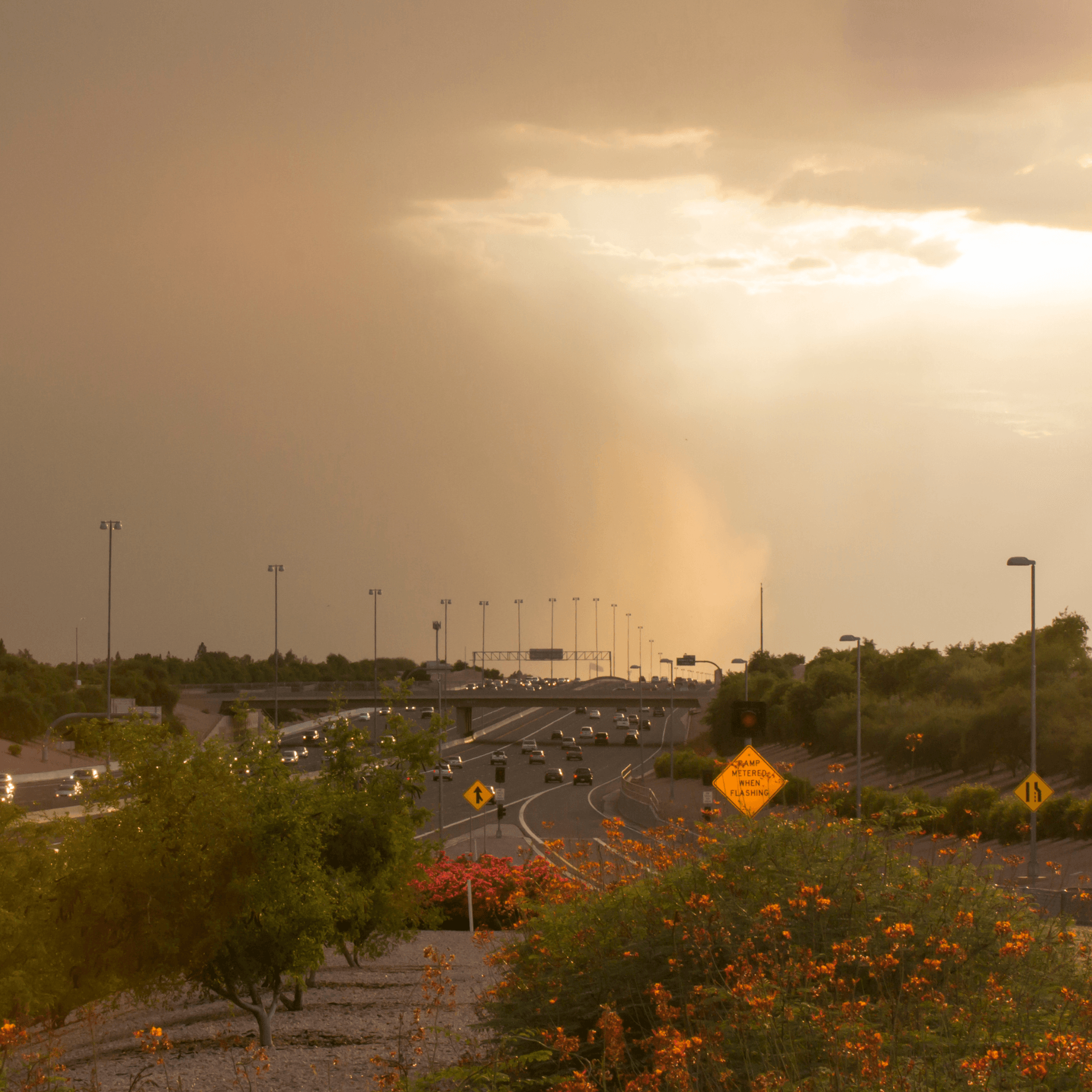
Arizona's monsoon season runs from mid-June through September, with peak storm activity in July and August. During monsoons, your roof faces:
- Sustained winds of 40 to 60 mph, with gusts that can exceed 80 mph
- Hours of heavy rainfall in short bursts (1-3 inches in an hour is common)
- Dust storms that drive debris into roof penetrations
- The occasional hailstorm
- Lightning and electrical events that can damage rooftop equipment
A roof that's been compromised by 8 months of heat, UV, and minor wear is significantly more vulnerable to monsoon damage than a roof in good condition. The difference between a $0 monsoon (your roof holds up) and a $5,000+ monsoon (water damage inside the home, emergency tarping, full repairs) often comes down to whether you addressed minor maintenance items in May.
What we look for in a pre-monsoon inspection:
Sealants that are cracked or dried out and need reapplication before rain hits
Loose tiles or shingles that could be lifted by wind
Debris in valleys and drainage paths that will cause water to pool
Flashings that have separated from the roof surface
Roof penetrations with compromised seals
Tree branches overhanging the roof that could break in high winds
We recommend scheduling pre-monsoon inspections between April and early June. Spots fill up fast as June approaches.
Schedule Your Pre-Monsoon Inspection
How Often Should You Inspect Your Roof?
The general guidance for Phoenix:
- Once a year minimum for any home over 5 years old
- Twice a year (spring and fall) for homes over 10 years old or with known issues
- After any major storm (high wind, hail, prolonged rain)
- Before buying or selling a home as part of due diligence
- When you notice anything unusual — water stains, sounds during rain, missing tiles in the yard, increased energy bills
The cost of a professional inspection is far less than the cost of missing a problem that could have been caught early.
Roof Maintenance You Can Do Yourself
Some maintenance is best left to professionals. Climbing on a tile roof, working around electrical equipment, and assessing structural issues are all things that should be done by someone with the right gear and experience.
But there are a handful of things every homeowner can do from the ground to keep their roof in good shape between professional inspections.
From the Ground:
Look up at your roof regularly. Even a quick visual scan from the driveway can catch obvious issues: missing tiles, lifted shingles, debris on the roof, sagging gutters. Make it a habit when you walk to the mailbox.
Trim back tree branches. Branches that overhang or touch the roof cause damage in two ways: they drop debris that clogs drainage, and they scrape the roof surface in wind. Keep branches at least 10 feet away from the roof.
Clean your gutters. Clogged gutters cause water to back up under roof edges and damage fascia. Two cleanings a year is usually enough in Arizona — before monsoon season and after fall leaf drop.
Watch for granules in your gutters or splash zones. Shingle granules in your gutters or near downspouts mean your roof is shedding its protective surface. A few are normal. A lot signals it's time for a professional look.
Check your ceilings. Walk through your house and look up. Any new water stains, ceiling discoloration, or peeling paint near walls or ceilings could mean an active leak.
Inside Your Attic (If Safe and Accessible):
Check after heavy rains. Look for water staining on rafters or underlayment.
Look for daylight. You shouldn't see any daylight coming through the roof deck.
Check for animal entry. Rodents, birds, and other pests that get into the attic often enter through compromised roof penetrations.
Note any musty smells. Mildew odors often indicate moisture problems.
When NOT to DIY
Don't walk on a tile roof. Even one wrong step can crack tiles you'll then have to pay to replace.
Don't try to seal leaks yourself. Roofing sealants used incorrectly can make leaks worse and complicate professional repairs later.
Don't climb on the roof during or after rain. Even shingle roofs become slippery and dangerous when wet.
Don't work near power lines. Service drops and rooftop electrical equipment require professional safety protocols.
When in doubt, call us. The inspection is free.
Call or Text (480) 718-6204Service Areas
Day One Roofing provides inspections and maintenance across the East Valley and greater Phoenix:
- Gilbert
- Chandler
- Tempe
- Apache Junction
- San Tan Valley
- Mesa
- Queen Creek
- Scottsdale
- Ahwatukee
- Phoenix
Not sure if you're in our service area? Call (480) 718-6204 .
Roof Inspection and Maintenance FAQs
Day 1 Roofing provides free roof inspections to homeowners in our service area. The free inspection includes a full exterior assessment, attic inspection where accessible, photos of any issues found, and a written estimate for any recommended work.
A typical residential roof inspection takes 30 to 60 minutes on-site, depending on roof size and complexity. We then take a few additional minutes to walk you through what we found before we leave.
Once a year minimum for most homes, twice a year for older roofs or homes with known issues. The most important inspection of the year is before monsoon season (April through early June).
An inspection identifies the condition of your roof and any issues that need attention. Maintenance is the actual work to address those issues or prevent future problems — debris removal, sealant refresh, tile resetting, and similar tasks. Inspections answer "what's the situation?" Maintenance answers "now what do we do?"
You don't have to be, but we recommend it for the first visit. Being there means we can walk you through the findings in person and answer any questions while we're showing you photos and pointing things out.
Yes. Most of our inspections are on roofs installed by other contractors. We provide the same honest, thorough assessment regardless of who installed your roof originally.
A professional roof inspection does not affect manufacturer warranties or homeowner's insurance policies. In some cases, an inspection report can actually help with insurance claims or warranty disputes by providing documented evidence of the roof's condition.
We give you a written estimate for any recommended repairs. You decide whether to have us address it, get other bids, or hold off. There's no pressure and no obligation. Many inspections result in zero recommended work because the roof is in good shape.
Yes. We provide inspection reports suitable for real estate transactions. These often need to be more detailed than a routine maintenance inspection, and we can accommodate that.
We got it.
Thank you for contacting us.
We’ll get back to you as soon as possible.
That didn’t work.
The form wasn’t sent. Please try again.